


Google Maps Is Going 3D: Is Your Business Ready for the Immersive Discovery Era?
360° VIRTUAL TOURS & IMMERSIVE MARKETING
3/17/20265 min read
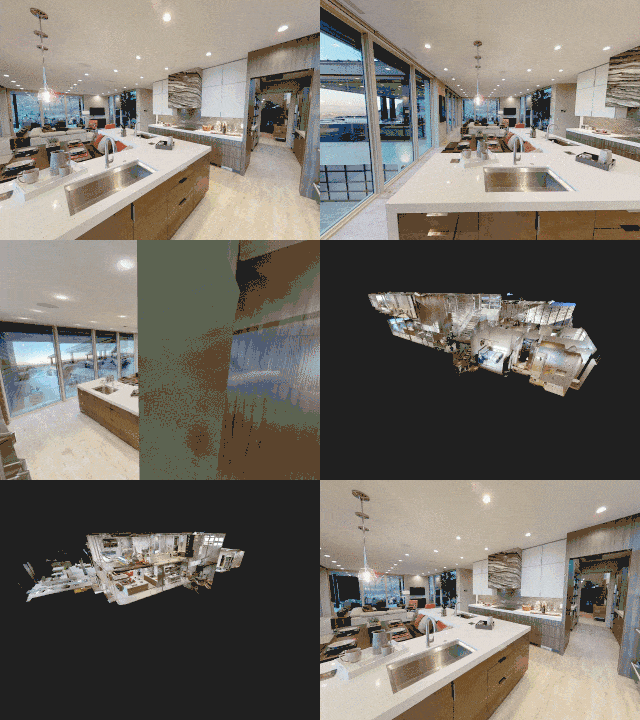
For years, digital discovery followed a simple pattern
👉 Search for a place.
👉 Look at the photos.
👉 Check reviews.
👉 Decide whether to visit.
But something fundamental is changing.
With the latest updates to Google Maps, powered by the AI capabilities of Gemini, Google is transforming maps from a navigation tool into an intelligent discovery platform.
The introduction of Ask Maps and the new Immersive Navigation experience marks the biggest evolution in Maps in more than a decade.
✅ For users, this means easier exploration.
✅ For businesses, it means something far more important:
Visibility will increasingly depend on immersive and AI-readable digital experiences.
And that’s where technologies like 360° virtual tours become powerful business assets.
The Shift: Maps Is No Longer Just Navigation
Maps used to answer a simple question:
“How do I get there?”
Now it answers a much more complex one:
“Where should I go?”
With Ask Maps, users can ask conversational questions such as:
• “Find a cosy café with vegan options near me.”
• “Which coworking spaces have meeting rooms and natural light?”
• “Where can I host a wedding with a garden view and an indoor hall?”
Instead of scanning through dozens of search results, the AI interprets the request and recommends places.
To do this, the system analyses massive datasets:
• business listings
• user reviews
• photos
• location attributes
• real-time conditions
Businesses that provide richer information are easier for the system to recommend.
The New Customer Journey in Google Maps
To understand why this matters, we need to look at the modern discovery journey.
Phase 1: AI Search
A user asks Maps a question.
Instead of keywords, they describe what they want.
The AI scans business profiles to determine relevance.
Businesses with:
• clear descriptions
• strong reviews
• updated information
• high-quality visual content
have a higher chance of being recommended.
Phase 2: Visual Confirmation
Next comes Immersive Navigation.
Maps now display realistic 3D views of buildings, streets, and landmarks.
Users see:
• building shapes
• terrain
• traffic signals
• entrances
• surrounding environment
The map now visually prepares people for the destination.
This dramatically improves decision confidence.
Phase 3: The Interior Experience
Once the user taps a business listing, the next question appears naturally:
“What does this place look like inside?”
This is where most businesses lose the opportunity.
If the answer is a single photograph, the experience stops.
But if a business provides an immersive walkthrough, the digital journey continues.
A 360° virtual tour turns curiosity into confidence.
Why Immersive Content Matters More Than Ever
Google’s new navigation interface emphasises spatial understanding.
Users see environments in three dimensions.
This subtly raises expectations.
Static photos suddenly feel incomplete.
Immersive visuals create:
• stronger engagement
• longer viewing time
• higher trust
• increased visit intent
In marketing terms, this reduces decision friction.
The easier it is for customers to imagine themselves inside a place, the more likely they are to visit.
Industries That Benefit Most from 360° Virtual Tours
Some industries rely heavily on visual trust and spatial understanding.
For these businesses, immersive experiences can directly influence revenue.
Luxury Real Estate
Buyers can explore properties before scheduling a site visit.
Premium Hotels & Resorts
Guests can experience rooms, amenities, and views virtually.
Wedding Venues & Banquet Halls
Couples can visualise event layouts before booking.
Automobile Showrooms
Customers preview showrooms and vehicle displays.
Private Hospitals & Medical Centers
Patients gain confidence seeing the facilities and infrastructure.
International Schools & Universities
Parents can tour campuses remotely.
Luxury Restaurants & Rooftop Cafés
Ambience becomes a deciding factor.
Premium Fitness Studios & Gyms
Potential members can inspect equipment and space.
Coworking Spaces
Businesses evaluate workspace layouts before visiting.
High-End Retail & Luxury Boutiques
Shoppers explore store environments online.
For these industries, the physical environment is a core part of the product.
360° tours communicate that environment instantly.
The “Growth Gap” Between Businesses
Consider two businesses listed on Maps.
Business A
• outdated photos
• minimal description
• limited reviews
• no immersive visuals
Business B
• optimised business profile
• detailed descriptions
• customer reviews with context
• immersive 360° tour
When AI systems evaluate which place to recommend, the second listing communicates far more information.
👉 More context means more confidence.
👉 More confidence means more visibility.
What Businesses Should Do Right Now
Businesses don’t need to rebuild their marketing overnight.
But they should prepare for this new discovery ecosystem.
1. Optimise Your Google Business Profile
Ensure that your listing includes:
• updated categories
• accurate address and hours
• detailed description
• relevant attributes
2. Upgrade Your Visual Content
Upload:
• high-quality interior photos
• exterior images
• entrance photos
• nearby landmarks
These help visitors recognise your location easily.
3. Encourage Descriptive Reviews
Reviews now play a larger role in AI-driven recommendations.
Encourage customers to describe their experiences.
Example:
Instead of
“Great place.”
A better review would say
“Beautiful rooftop restaurant with skyline views and amazing ambience.”
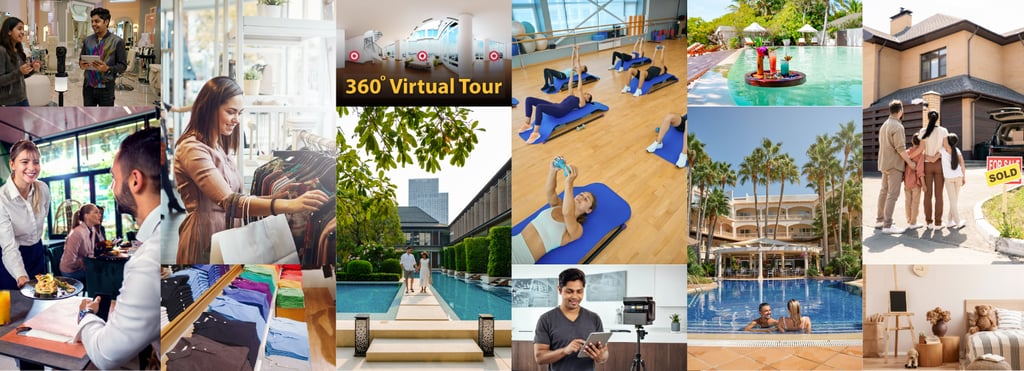
4. Add a 360° Virtual Tour
This is the single most powerful upgrade.
A professional virtual tour:
• increases engagement
• keeps visitors longer on your listing
• improves trust
• helps customers visualise the space



From Navigation to Experience
Google is redesigning the way people discover the world.
Maps is becoming:
• conversational
• intelligent
• immersive
Businesses that adapt early will gain visibility in this new ecosystem.
Think of it this way.
Google Maps can bring customers to your door.
But immersive experiences invite them inside.
The Future of Local Discovery
As AI continues to evolve, discovery platforms will increasingly rely on rich visual information.
Listings that communicate context clearly — through images, reviews, and immersive experiences — will stand out.
For businesses, this means one thing:
Your digital presence must reflect the real-world experience you offer.
Because in the age of AI-driven discovery, the places that tell the most compelling visual story will be the ones people choose.
Want to Bring Your Business Into the Immersive Discovery Era?
Digital SEADS helps businesses create professional 360° virtual tours that integrate with Google Maps and elevate their digital presence.
From real estate and hospitality to showrooms and educational institutions, immersive experiences help businesses attract high-intent customers and increase conversions.
Explore our 360° Virtual Tour solutions and see how immersive marketing can transform your visibility.
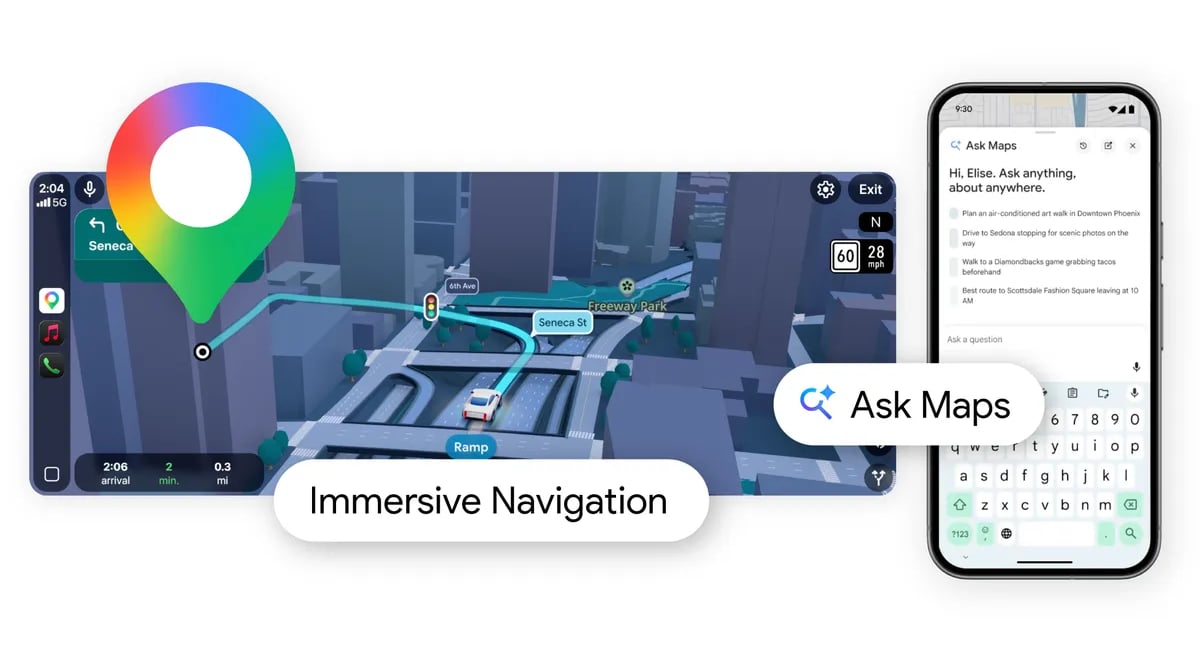
Image Credit: Google